

BLOG
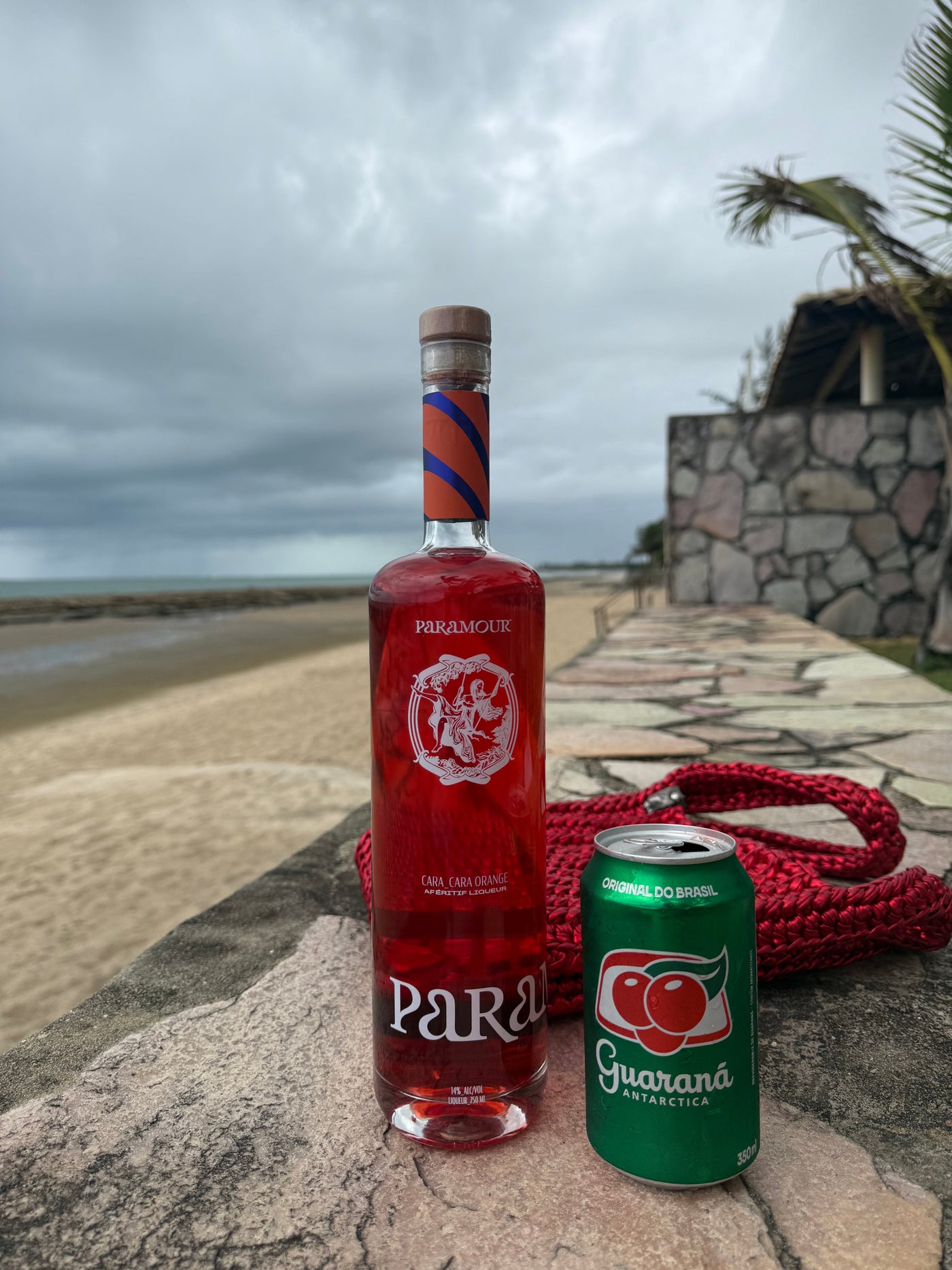
Is Additive Free the new Red Pill? Why Additive-Free Alternatives in Alcohol Are Likely to Win Over Consumers
Health and Wellness Trends
-
Increasing Health Consciousness:
-
Consumers are becoming more health-conscious and are increasingly seeking products perceived to be healthier. Additive-free alcohols, which do not contain artificial flavors, colors, or preservatives, align with this trend.
-
According to a study by the International Food Information Council (IFIC), 85% of consumers are paying more attention to the ingredients in their food and beverages than they did five years ago.
-
Demand for Natural Products:
-
There is a growing demand for natural and organic products across all categories, including alcoholic beverages. Nielsen reported that products labeled as "natural" or "organic" have seen significant growth in sales .
-
A report by the Organic Trade Association (OTA) found that organic product sales in the U.S. have consistently grown by more than 5% per year, driven by consumer demand for cleaner ingredients .
Consumer Preferences and Market Trends
-
Clean Label Movement:
-
The clean label movement, which emphasizes transparency in ingredients and the absence of artificial additives, has been gaining momentum. Consumers are increasingly scrutinizing product labels and favoring brands that offer transparency and simplicity.
-
According to a report by Innova Market Insights, "clean label" is a top trend in the food and beverage industry, with significant consumer interest in products that are free from artificial additives .
-
Premiumization of Alcoholic Beverages:
-
The trend towards premiumization in the alcoholic beverage industry is another driver. Consumers are willing to pay a premium for high-quality products that offer a perceived health benefit.
-
The Distilled Spirits Council reported that sales of premium and super-premium spirits have been growing faster than those of standard brands, indicating a shift towards higher-quality, additive-free options .
Sustainability and Ethical Considerations
-
Environmental and Ethical Concerns:
-
Consumers are increasingly concerned about sustainability and ethical sourcing. Brands that produce additive-free alcohol often highlight their sustainable practices and ethical sourcing, which appeals to environmentally conscious consumers.
-
A Nielsen report found that 73% of global consumers say they would definitely or probably change their consumption habits to reduce their environmental impact .
-
Market Data and Projections:
-
Market data shows a growing segment of the alcohol market dedicated to organic and additive-free products. For example, organic wine sales have been growing rapidly, and similar trends are expected in spirits and beers.
-
The global organic wine market is projected to grow at a CAGR of 10.5% from 2021 to 2026, according to a report by Mordor Intelligence .
Evidence from Industry Experts
-
Industry Expert Insights:
-
Industry experts and analysts predict that the trend towards additive-free alcohol will continue to grow. They cite consumer demand for transparency, health benefits, and premium experiences as key drivers.
-
A report from the IWSR (International Wines and Spirits Record) suggests that consumer interest in health and wellness will drive the growth of "better-for-you" alcoholic beverages, including those without additives (Investopedia).
In summary, the increasing health consciousness among consumers, the demand for natural and organic products, the clean label movement, premiumization trends, and sustainability concerns are all contributing to the growing popularity of additive-free alternatives in alcohol. These factors indicate a strong consumer preference shift that is likely to drive the success of additive-free alcoholic beverages in the coming years.
Sources
-
Nielsen Insights
-
Nielsen Sustainability Report
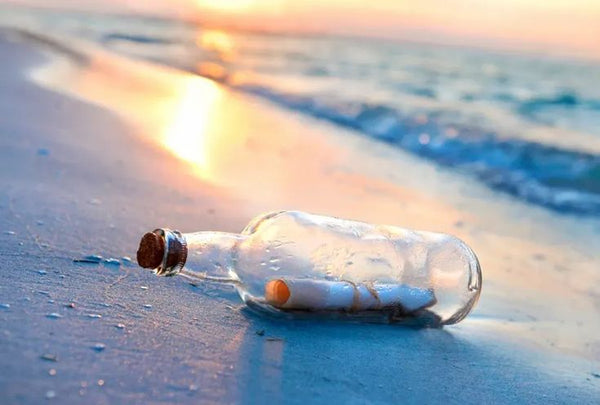
The True Cost of Cheap Spirits
The Hidden Cost of Cheap Spirits — and Why Going Additive-Free Is the Next Revolution in Alcohol
By Raquel Tavares
When I first began developing Paramour, I expected the usual challenges: licensing, logistics, formula approvals, packaging. What I didn’t expect was how quickly co-manufacturers would assume I wanted to use inverted or beet sugar. “Everyone does,” they told me. “It’s standard.” That single word — standard — stopped me in my tracks. In alcohol manufacturing, “standard” rarely means better.
No beets about it
When I think of beets, I think of my mother constantly telling me I should eat more beets. Of beets wrapped in foil, broiling in the oven for my mother’s famous beet salad. So what’s beet sugar?
Beet sugar, for instance, sounds innocuous — something rustic and organic, the kind of thing you’d find in a French pantry. But the reality is it’s a highly refined industrial sweetener. Most U.S. sugar beets are genetically modified and saturated with glyphosate, an herbicide linked to pollinator decline and soil degradation. The sugar itself is chemically processed using lime and carbon dioxide until it’s pure sucrose — stripped of any natural mineral or plant trace. Inverted sugar, its smoother cousin, is sucrose that has been broken down into glucose and fructose through acid hydrolysis, creating a sweeter, more stable syrup that’s cheap, fast, and metabolically punishing.
None of this is an artisanal decision. It’s an economic one. Using refined beet or inverted sugar can save producers between thirty and fifty percent compared with cane sugar or real fruit concentrate. For the industry’s major players, that can mean tens of millions in annual savings. What’s lost in the process, though, is integrity — and for the drinker, health. These industrial shortcuts introduce an invisible tax that consumers pay through inflammation, blood-sugar spikes, and those disproportionately brutal hangovers that make even moderate drinking feel punishing.
Alcohol remains one of the last consumer goods in America that isn’t required to disclose its ingredients or nutritional content. It is regulated not by the Food and Drug Administration but by the Alcohol and Tobacco Tax and Trade Bureau, an agency whose primary function is to collect revenue, not to protect public health. The result is a legal blind spot that allows additives, artificial flavors, dyes, and stabilizers to slip into the bottle, unannounced and unaccountable.
Caramel coloring is one of the industry’s favorite tools. It’s used in whiskey, rum, and brandy to simulate the rich tone of barrel aging. But some grades of this coloring — specifically E150c and E150d — contain 4-MEI, a compound the World Health Organization has classified as a possible carcinogen. Synthetic esters and “natural” flavoring agents are equally deceptive. They can make a liqueur taste perfectly consistent year after year, while replacing real botanicals with lab-derived chemistry.
According to 2023 data from IWSR, fewer than two percent of global spirit SKUs currently market themselves as fully additive-free. Yet those that do — natural winemakers in France, small distilleries in Oaxaca, and modern aperitif brands — are among the fastest-growing in their segments, outpacing traditional players by as much as fifteen percent year-over-year. The message is clear: consumers may not have access to full transparency, but they instinctively crave it.
As a lifelong lover of spirits and wine, I’ve always wondered why a glass of rosé in Provence left me feeling light and alive, while a few cocktails in New York left me depleted. It isn’t just hydration or age. It’s purity. The European Union’s labeling laws require the disclosure of additives and allergens, which pressures producers to keep their recipes cleaner. In the United States, the same bottle can legally contain glycerin, sweeteners, colorants, and stabilizers — each of which compounds alcohol’s natural inflammatory effects.
Scientific research backs this up. Studies published in the American Journal of Clinical Nutrition show that fructose metabolism in the liver doubles triglyceride formation when combined with ethanol. In other words, the body must process two toxins at once. The result is oxidative stress, slower detoxification, and the foggy fatigue that modern drinkers have come to accept as inevitable. But it isn’t the alcohol itself that’s doing the damage — it’s the additives that make it cheap, consistent, and convenient.
For large producers, the economic incentives are impossible to ignore. Additives mean scale, efficiency, and margin. Colorants ensure that every bottle looks identical on a global shelf. Flavor compounds eliminate the need for seasonal sourcing. Stabilizers extend shelf life and reduce waste. Yet these shortcuts have a long tail of hidden costs. The global spirits industry spends over four billion dollars annually on additives and processing aids, while saving nearly double that by bypassing traditional production methods. The system rewards volume, not virtue.
Meanwhile, consumers are quietly rewriting the rules. Low- and no-alcohol beverage sales grew thirty-one percent in 2023, according to the Distilled Spirits Council, while conventional spirits saw their first major slowdown in a decade. Younger drinkers aren’t turning away from alcohol entirely; they’re turning away from opacity. They want to know what’s in their glass — and they want to feel good after drinking it.
There is a new generation of bar directors and beverage curators who are listening. They are rethinking their back bars, favoring clean-label spirits, botanical aperitifs, and additive-free wines. They are choosing transparency over tradition, quality over convenience. It’s a quiet revolution, happening one menu at a time, led not by marketers but by people who love the craft enough to question it.
For those of us building new brands, that commitment comes with cost. It means slower production cycles, pricier ingredients, and the constant uphill negotiation against “industry standard.” But it also means creating a product that respects both the drinker and the planet. At Paramour, we’ve chosen to take that road — no beet sugar, no inverted syrup, no artificial colors, no synthetic flavoring. Just fruit, botanicals, and craftsmanship that refuses to compromise.
If alcohol were truly up to date — if it prioritized the health of its consumers, over bright branded umbrellas placed on patios like a desperate peacock feather mating ritual display to draw consumer attention and put the well-being of the earth over short-term economics — it might not be in decline at all. The problem isn’t that people no longer want to drink. It’s that they want something from somebody who cares about what they want, who understands that change is inevitable, and alcohol is currently sitting behind the 8-ball.
The future of drinking doesn’t need to be sober; it needs to be smarter, safer, grow a backbone and grow awareness. When we strip away the secrecy, when we demand honesty from what we consume, the ritual of a shared drink becomes something deeper — not an indulgence, but a celebration, as it once was, and as it should be.
Transparency shouldn’t be exclusive to every other industry besides alcohol. What gives us that right? It isn’t a luxury; it is a right.
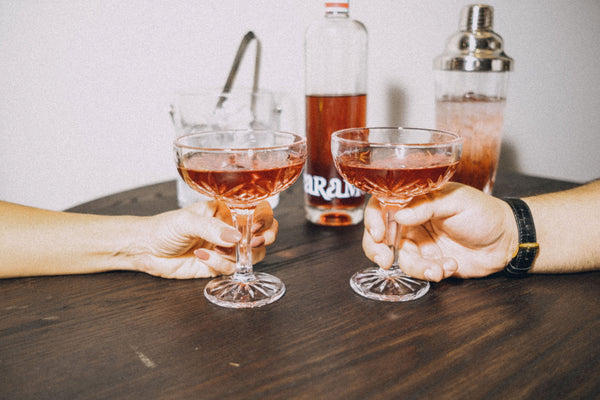
Independent Spirits: Why Supporting Small Brands is the Smartest Move Amid Tariffs and Changing Tastes
Independent Spirits: Why Supporting Small Brands Is the Smartest Move Amid Tariffs and Changing Tastes
By Raquel Tavares, Founder, Paramour Aperitifs
In today’s global drinks market, volatility is the new constant. Tariff threats, supply-chain disruptions, and shifting consumer sensibilities have fractured the old logic of scale. As large houses—from Suntory to Diageo—grapple with changing trade policy and rising freight costs, independent producers are finding strength in agility and authenticity.
In just eighteen months, Paramour Aperitifs has sold more than 2,000 cases, securing placements across leading hospitality groups from New York to Florida. That milestone doesn’t simply mark growth; it represents traction and resilience in one of the most competitive corners of beverage alcohol. It’s a case study in how smaller, values-driven producers are not only surviving—but defining—what’s next.
The beverage-alcohol market has softened across multiple categories. In the United States, spirits volumes fell roughly three percent in early 2024, led by declines in tequila and American whiskey. Total beverage alcohol volumes were down 2.8 percent year-over-year in the first seven months of 2024, while the only segments showing growth were low-ABV and ready-to-drink formats. Globally, volume growth is projected to hover near one percent annually through 2027, with value growth slightly outpacing volume as premiumization continues to shape consumption.
Against that backdrop, any independent brand that can demonstrate velocity and repeat orders is worth paying attention to. Two thousand cases in 18 months tells a clear story: there is real demand for modern, additive-free aperitifs that meet consumers where they are. It’s also proof that bars and distributors are rebalancing their portfolios toward lighter, more transparent spirits that complement wellness-minded drinking habits rather than compete with them.
The tariff environment has only accelerated this shift. Global drinks leaders such as Suntory have begun to “produce and sell locally” to reduce exposure to import levies—particularly on bourbon and whiskey—highlighting how international logistics can directly influence cocktail menus thousands of miles away. For independent, U.S.-made brands, this presents an advantage: tariff-proof production, faster lead times, and greater control over pricing stability. When a bar or retailer chooses a domestic producer, they are effectively insulating themselves from international policy risk.
At the same time, consumers are re-evaluating their relationship with alcohol. The “no- and low-” sector continues to outpace traditional categories, growing at roughly seven percent annually and recruiting new drinkers at record rates. Younger consumers in particular are driving this moderation movement, preferring drinks that align with their health, social, and ethical priorities. The modern luxury is no longer about excess; it’s about intentionality. People want to know where their drink comes from, how it’s made, and who it supports.
Supporting independent brands, then, isn’t charity—it’s strategy. Locally crafted spirits allow operators to tell richer stories and stand out in increasingly homogenized markets. For the trade, that means better menu differentiation, reliable supply chains, and products that naturally attract word-of-mouth. “Made in California” or “Independent Aperitif” doesn’t just sound appealing on a menu; it sells.
Independence also creates operational resilience. When one ingredient supplier faced delays earlier this year, Paramour pivoted to a regional partner within weeks. When hospitality clients requested custom formats for spritz programs, the brand responded in real time. These micro-adaptations form a competitive advantage that’s nearly impossible for global conglomerates constrained by scale.
If each cocktail list is a form of editorial, then every pour is a statement. Choosing an independent brand over a legacy import signals more than taste—it reflects foresight. It acknowledges that tariffs, transparency, and cultural change are intertwined, and that the next decade of drinking will belong to brands that feel as modern as the people ordering them.
In a market defined by uncertainty, independence isn’t risky—it’s smart. Two thousand cases sold in 18 months isn’t just a milestone for Paramour; it’s a data point in a much larger story. One where agility beats inertia, where authenticity drives loyalty, and where the independent spirits movement is not a niche, but a new normal.
References
-
Reuters. Global Drinks Maker Suntory Aims to Sell Local to Avoid Tariffs, President Says. April 3, 2025.
-
The Spirits Business. US Spirits Volumes Fall 3% as Tequila Softens. September 2024.
-
The IWSR. IWSR Navigator Data: US Beverage Alcohol Market Declines 2.8% as Recovery Awaits. August 2024.
-
The IWSR. Global Beverage Alcohol Shows Subdued Growth 2022–2027, Whilst Value Outlook Is More Positive.February 2024.
-
The IWSR. More Than Moderation: The Long-Term Rise of No- and Low-Alcohol. January 2024.

Drinking Habits & The Evolution of the Low-Additive Free Movement: How Consumer Demand for Additive-Free and Low-Alcohol Substitutes Are Reshaping the Alcohol Market
Shaped by shifting consumer preferences toward healthier, cleaner, and lower-alcohol alternatives, the alcohol industry landscape has shifted over the past few years. While we see the rise of the no-alcohol category making headlines, modern, low-alcohol and additive-free options are making waves.
Contrary to popular belief, global sales data suggests low-additive free spirits are thriving—marking a nuanced evolution in drinking habits rather than the outright rejection of alcohol altogether.
The Demand for Transparency and Purity
Today’s consumers, indexing toward Millennials and Gen Z, are more conscious of what they consume, how it affects their health, and the planet, sparking a surge in demand for additive-free, natural, and transparently produced spirits—a stark contrast to traditional mass-produced alcohol, often including artificial flavorings, colorings, and preservatives.
Premium brands that emphasize clean ingredients, sustainability, and authenticity have seen a notable uptick in interest because consumers are seeking products with authentic values, real botanicals, organic sourcing, and fewer artificial interventions, mirroring trends in the food and wellness industries.
The Counter Legacy Drink Culture: National Brands v. Legacy Options
The low-alcohol movement is gaining traction as consumers look for ways to enjoy drinking experiences without the heavy effects of full-proof spirits, evident in the growing categories of aperitifs, vermouths, and botanical-based spirits who offer complexity and sophistication without the high alcohol content.
Aperitifs, in particular, have seen a renaissance, with brands like Aperol and Lillet experiencing consistent growth, and newer, independent brands entering the space with innovative flavors and modern branding.
Consumers are drawn to these lower-proof spirits as they align with the growing interest in mindful drinking, offering an alternative to hard liquor without compromising on taste or experience. Furthermore, these are brands young people identify with, and who can build their own history around, contrary to legacy brands our grandparents grew up drinking.
No-Alcohol Is Growing, But Low-Alcohol Is Gaining More Traction
While the no-alcohol category continues to expand, particularly in markets like the UK and Australia, global data suggests that the biggest growth is happening in the premium, low-alcohol, and additive-free segments rather than total abstinence. Here’s what I recently learned:
-
Liqueurs and aperitifs are experiencing strong year-over-year growth, with a projected market value increase from $130 billion in 2023 to $181 billion by 2033, signaling sustained demand for lower-ABV and complex spirits.
-
RTDs (ready-to-drink beverages) have skyrocketed, growing at a 37% CAGR between 2019 and 2021, and continue to drive momentum in the spirits industry.
-
Traditional high-proof spirits (like whiskey and vodka) have seen a slowdown in growth, indicating that consumer attention is shifting toward alternative, innovative options.
A Balancing Act: The Future of Alcohol
Rather than witnessing a mass exodus from alcohol, we are seeing an evolution in drinking habits—one that favors quality over quantity, transparency over artificiality, moderation over excess, and modern versus legacy.
Brands that recognize this shift—by offering modern, clean-label, lower-alcohol, and thoughtfully crafted alternatives—are poised to capture the next wave of consumer interest. Whether it’s a bitter, botanical-forward aperitif, a low-ABV spritz, or an organic additive-free liqueur, the future of drinking isn’t about eliminating alcohol—it’s about redefining it.
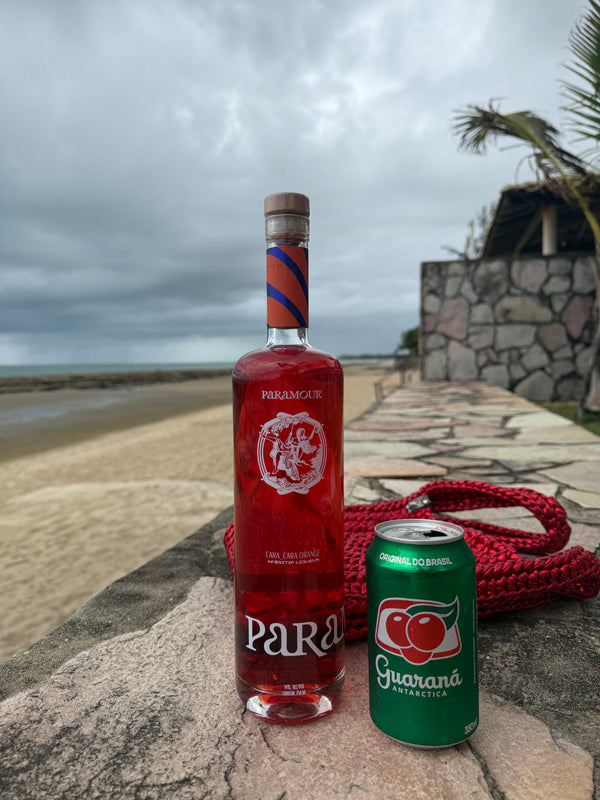
Is Additive Free the new Red Pill? Why Additive-Free Alternatives in Alcohol Are Likely to Win Over Consumers
Health and Wellness Trends
-
Increasing Health Consciousness:
-
Consumers are becoming more health-conscious and are increasingly seeking products perceived to be healthier. Additive-free alcohols, which do not contain artificial flavors, colors, or preservatives, align with this trend.
-
According to a study by the International Food Information Council (IFIC), 85% of consumers are paying more attention to the ingredients in their food and beverages than they did five years ago.
-
Demand for Natural Products:
-
There is a growing demand for natural and organic products across all categories, including alcoholic beverages. Nielsen reported that products labeled as "natural" or "organic" have seen significant growth in sales .
-
A report by the Organic Trade Association (OTA) found that organic product sales in the U.S. have consistently grown by more than 5% per year, driven by consumer demand for cleaner ingredients .
Consumer Preferences and Market Trends
-
Clean Label Movement:
-
The clean label movement, which emphasizes transparency in ingredients and the absence of artificial additives, has been gaining momentum. Consumers are increasingly scrutinizing product labels and favoring brands that offer transparency and simplicity.
-
According to a report by Innova Market Insights, "clean label" is a top trend in the food and beverage industry, with significant consumer interest in products that are free from artificial additives .
-
Premiumization of Alcoholic Beverages:
-
The trend towards premiumization in the alcoholic beverage industry is another driver. Consumers are willing to pay a premium for high-quality products that offer a perceived health benefit.
-
The Distilled Spirits Council reported that sales of premium and super-premium spirits have been growing faster than those of standard brands, indicating a shift towards higher-quality, additive-free options .
Sustainability and Ethical Considerations
-
Environmental and Ethical Concerns:
-
Consumers are increasingly concerned about sustainability and ethical sourcing. Brands that produce additive-free alcohol often highlight their sustainable practices and ethical sourcing, which appeals to environmentally conscious consumers.
-
A Nielsen report found that 73% of global consumers say they would definitely or probably change their consumption habits to reduce their environmental impact .
-
Market Data and Projections:
-
Market data shows a growing segment of the alcohol market dedicated to organic and additive-free products. For example, organic wine sales have been growing rapidly, and similar trends are expected in spirits and beers.
-
The global organic wine market is projected to grow at a CAGR of 10.5% from 2021 to 2026, according to a report by Mordor Intelligence .
Evidence from Industry Experts
-
Industry Expert Insights:
-
Industry experts and analysts predict that the trend towards additive-free alcohol will continue to grow. They cite consumer demand for transparency, health benefits, and premium experiences as key drivers.
-
A report from the IWSR (International Wines and Spirits Record) suggests that consumer interest in health and wellness will drive the growth of "better-for-you" alcoholic beverages, including those without additives (Investopedia).
In summary, the increasing health consciousness among consumers, the demand for natural and organic products, the clean label movement, premiumization trends, and sustainability concerns are all contributing to the growing popularity of additive-free alternatives in alcohol. These factors indicate a strong consumer preference shift that is likely to drive the success of additive-free alcoholic beverages in the coming years.
Sources
-
Nielsen Insights
-
Nielsen Sustainability Report